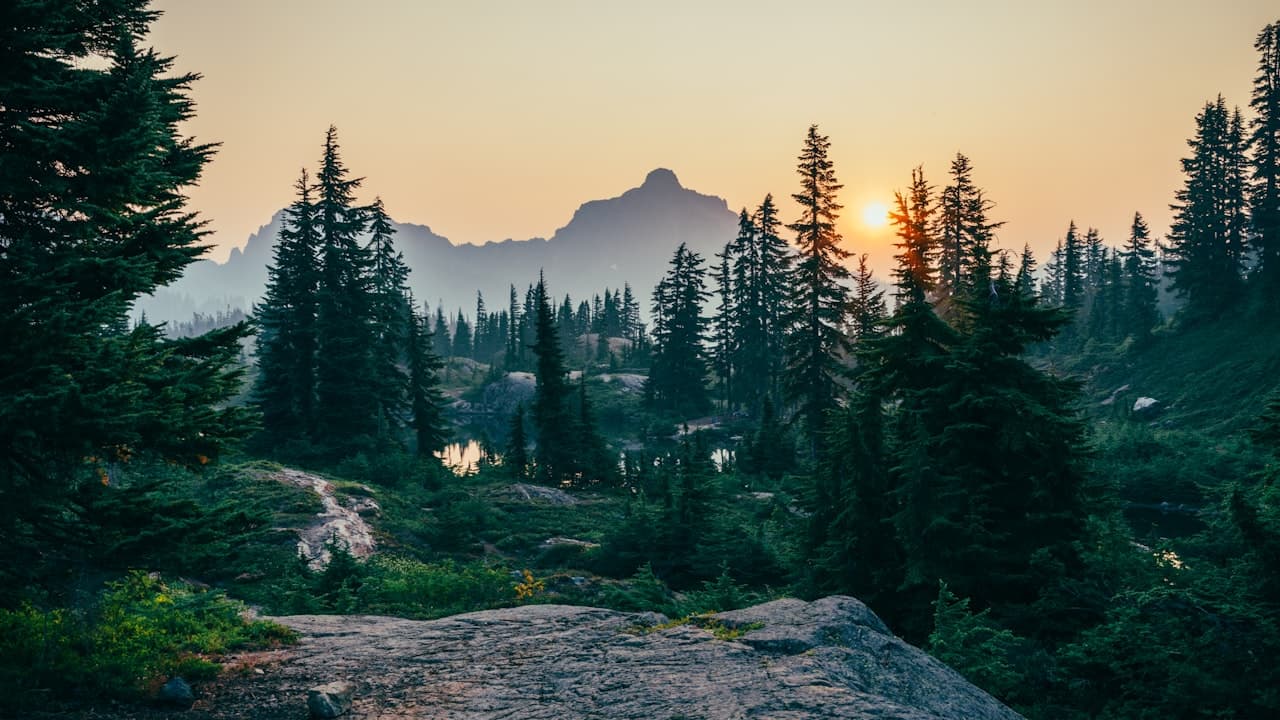
Where Is Nathia Gali? A Complete Guide to Pakistan's Hidden Hill Station
April 2026If you've seen dreamy photographs of snow-dusted pine forests, misty mountain trails, and cosy wooden cottages somewhere in northern Pakistan, chances are you've been looking at Nathia Gali — and wondering where is Nathia Gali, exactly? Here's everything you need to know about the location, geography, and surroundings of this beloved hill station.
The Short Answer
Nathia Gali is a small hill station and mountain resort town located in the Abbottabad District of Khyber Pakhtunkhwa province, Pakistan. It sits at the heart of the Galyat range — a string of closely connected hill stations in the western Himalayan foothills — at an elevation of 2,410 metres (approximately 7,910 feet) above sea level. It is roughly equidistant from two major towns: about 32 kilometres from Murree to the south and 35 kilometres from Abbottabad to the northeast.
For those thinking in terms of major cities, Nathia Gali is approximately 80 to 90 kilometres north of Islamabad, Pakistan's capital, making it one of the most accessible mountain escapes in the country.
Understanding the Galyat Region
To truly understand where Nathia Gali is, you need to understand the Galyat. The word "Gali" means "street" or "passage" in the local Hindko language, and "Galyat" is its plural — a fitting name for a region that's essentially a chain of small hill stations connected by winding mountain roads. These include Changla Gali, Khanspur, Khaira Gali, Dunga Gali, and Nathia Gali itself.
Among all the settlements in this range, Nathia Gali occupies the highest point, which is precisely why its weather is noticeably cooler than its neighbours and why it receives the heaviest snowfall in winter. Its central position in the Galyat chain also makes it a natural hub for travellers exploring the wider region — most visitors who come to the Galyat will pass through or stay in Nathia Gali at some point during their trip.
The Geography and Natural Setting
Nathia Gali's landscape is defined by dense forests and dramatic elevation. The town is surrounded by thick stands of pine, cedar, oak, and walnut trees — part of the broader forest ecosystem that extends into the adjacent Ayubia National Park, which covers over 8,000 acres of protected woodland just a few kilometres away.
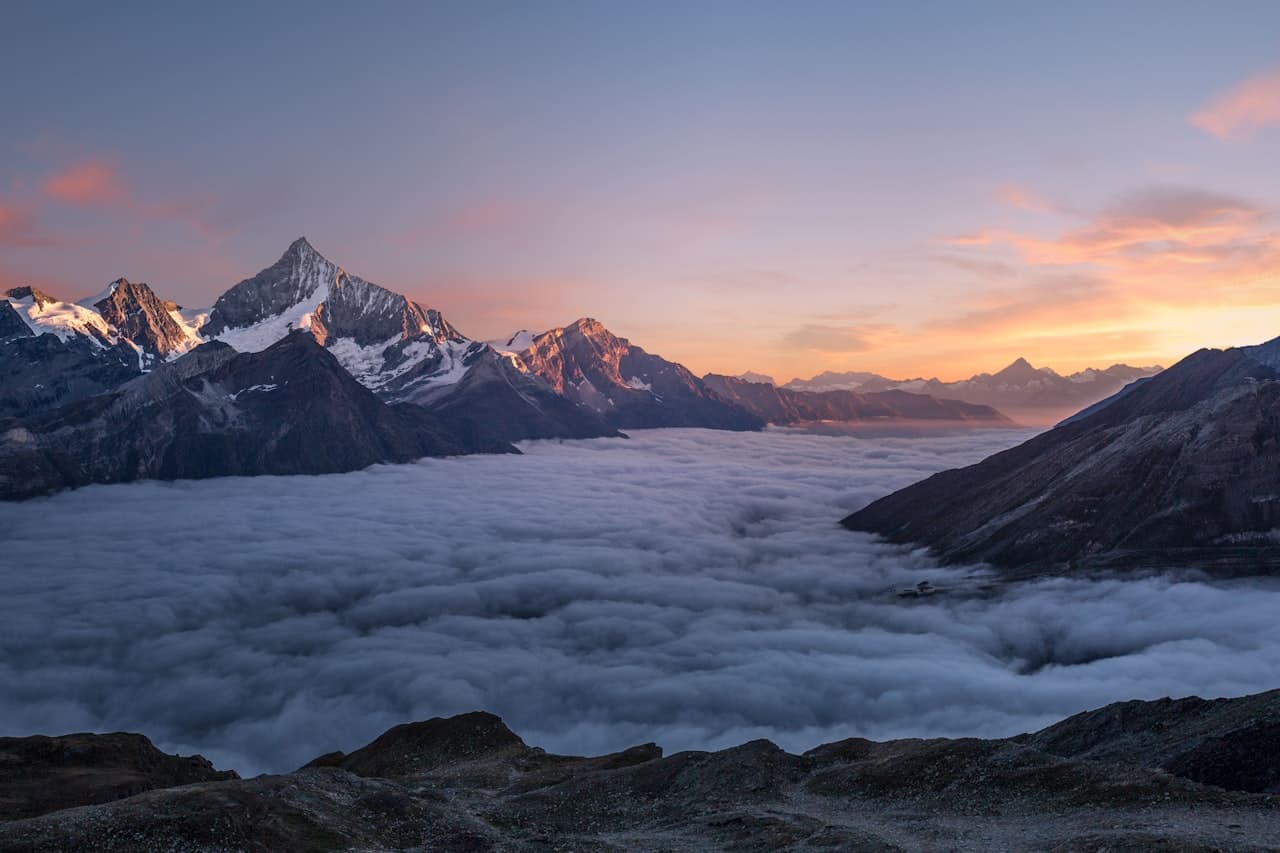
Two prominent peaks rise near the town. Mukshpuri, at 2,800 metres, is the second-highest point in the Galyat and offers one of the most popular day hikes in the area. Miranjani, at 2,992 metres, is the tallest peak in the range, and on a clear day, hikers at the summit can see as far as Nanga Parbat — the world's ninth-highest mountain — towering in the distance to the north.
The terrain around Nathia Gali is steep and undulating, carved by centuries of rainfall that brings between 1,650 and 1,850 millimetres of precipitation annually. This generous moisture, combined with the altitude, sustains the lush greenery that makes the area so visually striking throughout spring and summer.
What's Nearby?
Nathia Gali's location puts it within easy reach of several other popular destinations in the region.
Murree is about 32 kilometres to the south and remains Pakistan's most visited hill station. Many travellers pass through Murree on their way to Nathia Gali, stopping at its famous Mall Road for food and shopping before continuing deeper into the Galyat.
Ayubia National Park sits just 4 kilometres from Nathia Gali and is one of the region's top attractions. The park is home to diverse wildlife, including the rare Himalayan common leopard, rhesus monkeys, golden eagles, and several species of pheasant. The Pipeline Track — a flat, family-friendly 4.5-kilometre walking trail — connects Dunga Gali to Ayubia through some of the most scenic forest in the Galyat.
Abbottabad, the district headquarters, lies about 35 kilometres to the northeast. It serves as the main supply and transport hub for travellers heading into the Galyat, and its bazaars are a good place to stock up on essentials before heading up the mountain.
Thandiani, another scenic hill station at about 2,700 metres, is roughly 53 kilometres from Nathia Gali via Abbottabad and offers a quieter, more remote mountain experience for those willing to take a longer detour.
A Brief History of the Place
Nathia Gali's story as a recognised hill station goes back to the British colonial era. During the 19th century, the British identified this stretch of the Galyat as an ideal summer retreat and convalescent station thanks to its cool climate and dense forest cover. Nathia Gali became the summer headquarters of the Chief Commissioner of the Peshawar Division, and colonial-era bungalows and infrastructure began to dot the hillside.
One of the most visible remnants of that period is St. Matthew's Church, a beautiful wooden structure built in 1914 that still stands near the centre of town. Remarkably, the church has been looked after by a local Muslim family for three generations — a detail that speaks to the area's tradition of communal harmony.
Today, Nathia Gali also serves as the administrative centre of the Nathia Gali Union Council, and the Governor of Khyber Pakhtunkhwa's summer residence — the Governor's House — is situated on the outskirts of town.
The Climate: Why Location Matters
Nathia Gali's elevation gives it a subtropical highland climate that sets it apart from the sweltering plains below. Summers are mild and pleasant, with daytime temperatures typically between 15°C and 25°C — a world away from the 40°C-plus heat that grips cities like Islamabad, Lahore, and Rawalpindi during the same months. Nights stay cool even in peak summer, often dipping to 13°C or lower.
Winters, meanwhile, are genuinely cold. Daytime temperatures hover between 2°C and 9°C from December to February, and nights frequently drop below freezing, sometimes reaching as low as -6°C. Heavy snowfall is a regular feature during these months, blanketing the town and surrounding forests in thick white layers and drawing a different kind of visitor — those who come specifically for the snow.
How to Get There
Nathia Gali is well connected by road, though there is no airport or railway station in the town itself. Most visitors arrive by car from Islamabad (about 2 to 3 hours via the Murree Expressway) or from Abbottabad (about 30 minutes by car, a little longer in weekend traffic, via the Nathia Gali road). Public transport — buses and Hiace vans — runs daily from both Rawalpindi and Abbottabad. The roads are paved and generally well-maintained, though the mountain sections feature plenty of sharp turns and steep gradients that demand careful driving, especially during rain or snow.
Routes and distances to MYG Nathiagali →Final Thoughts
So, where is Nathia Gali? It's perched at nearly 8,000 feet in the western Himalayas, tucked into the forested heart of the Galyat range, just a couple of hours from Pakistan's capital city. It's a place where ancient pine forests meet colonial-era architecture, where leopards still roam the national park next door, and where the air is cool enough to make you forget that the plains below are baking in the summer sun. For a small town with a single bazaar and a handful of winding streets, Nathia Gali punches well above its weight as one of Pakistan's most charming and accessible mountain destinations.
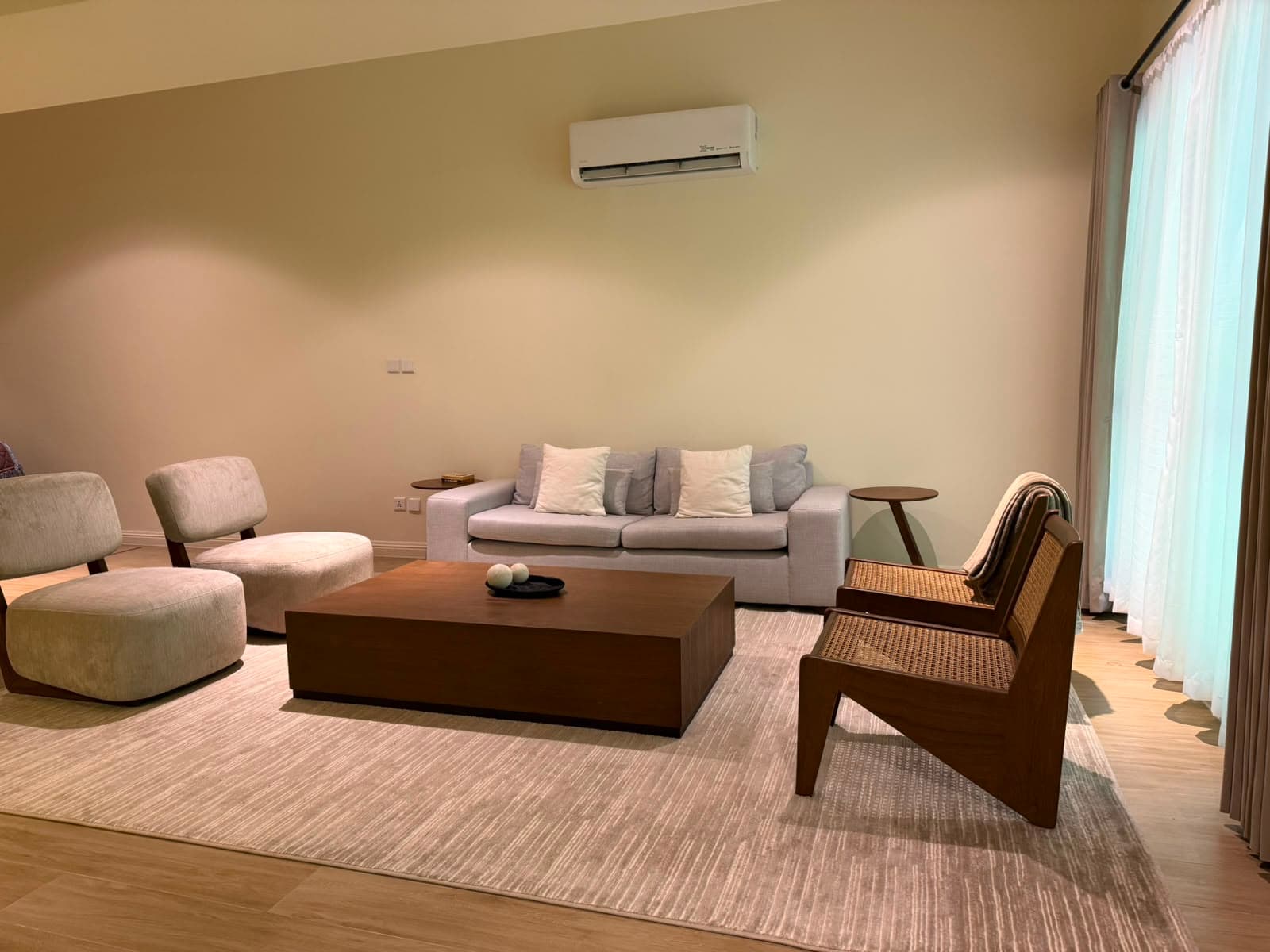
Want to Live in Nathiagali?
MYG Nathiagali — luxury apartments near Abbottabad, delivering 2026